What is Causing the Global DRAM Shortage in 2026?
The AI boom is consuming global memory chip supplies, causing a massive DRAM shortage

Suggested Pre-read: HBM vs DDR
Lately, we have been hearing a lot about price hikes on personal computers due to a shortage of RAM and memory chips. Apple has made headlines for increasing the prices of its MacBook line, while Dell and Lenovo have also bumped up the costs for certain series of machines. Other companies are either contemplating similar moves or are already enforcing higher prices.
Why is this hitting consumer pockets, and what is driving the price hike?
Unless you have been living under a rock, you are likely aware of AI’s massive impact on the global stage. While AI has taken off, the supporting components needed for its boom haven’t scaled up fast enough to meet the demand. One critical component is memory chips. The growing need for AI infrastructure translates directly to a higher demand for HBM chips, which are essential for high performance GPUs/TPUs and extends to a select few highly specialized CPUs.
We discussed HBM vs DDR, at length, in the blog post linked above.
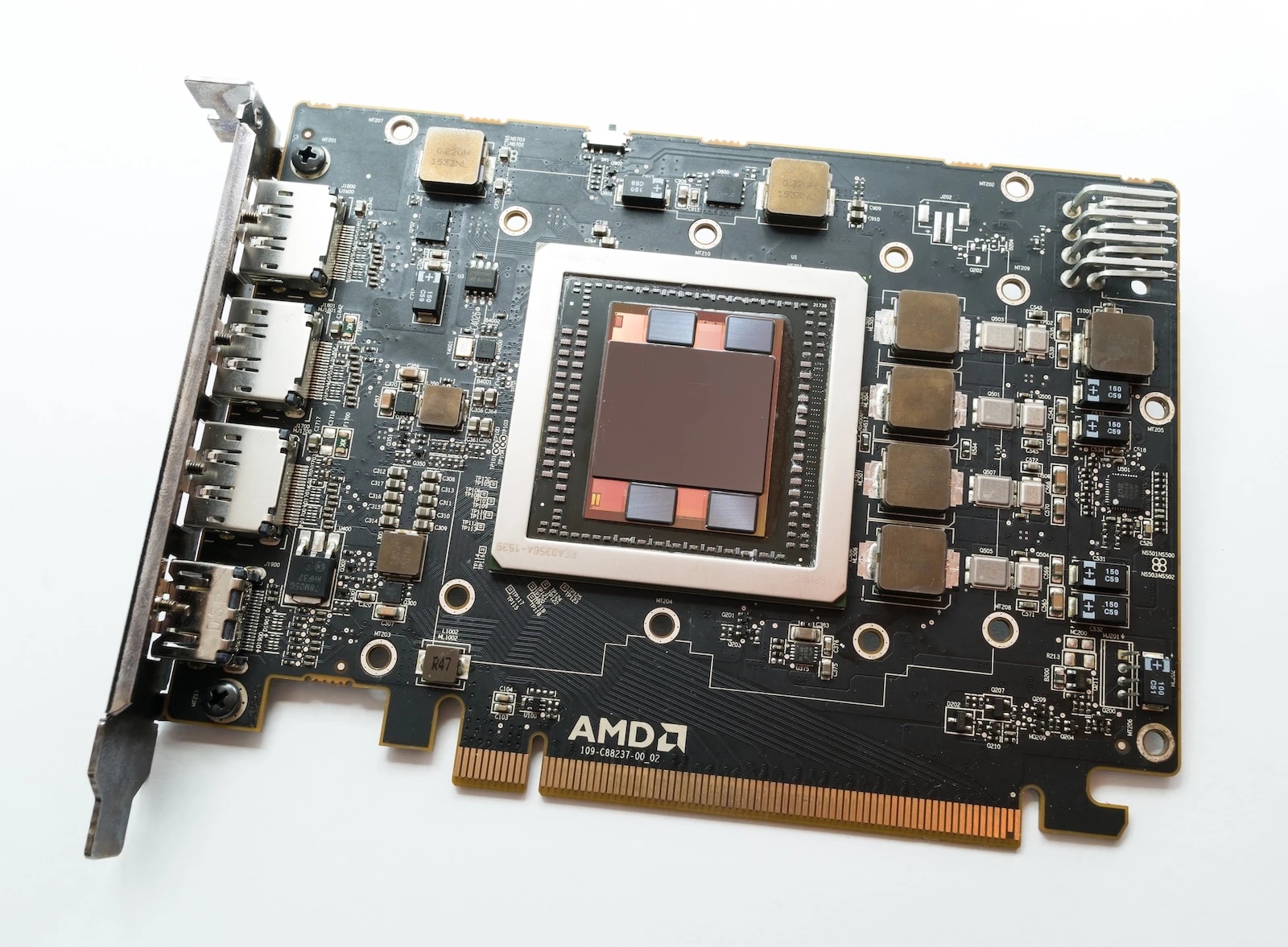
In a nutshell, DDR (Double Data Rate) memory chips are used in consumer devices (Laptops, Desktops, Smartphones, Low-end GPUs etc.) while HBM (High Bandwidth Memory) is used in high performance CPUs/GPUs/TPUs etc. that are essential to AI infrastructure.
So what is the difference between HBM and DDR?
Both are types of DRAM. HBM is 3D-stacked DRAM that is superior to DDR (another type of DRAM). Read this blog for a more detailed comparison.
AI: Soaring Demand
AI is experiencing unprecedented growth across all sectors, and it consumes a massive amount of resources especially DRAM memory chips. While future advancements like quantization might reduce the rate at which AI consumes hardware, for now, the technology requires a vast number of these chips. Supply is currently barely keeping pace with demand.
The major memory manufacturers that dominate global DRAM production—Samsung, Micron, and SK Hynix have pivoted to producing more DRAM chips specifically for AI datacenters. These chips are being bought up rapidly, leaving a limited supply for consumer-grade devices and inevitably driving up prices. This dynamic has sparked a global shortage that doesn’t look like it will resolve anytime soon.
Micron Chief Business Officer, Sumit Sadana, recently stated their agreements look very different now. Previously, they would see one-year contracts, but now with the demand for AI chips, these agreements are much longer, up to 5 years, as many companies want to lock into these contracts so they are able to snatch up as many chips as they can get their hands on over multi-year terms. Many such deals are upfront cash as well.
Micron has also stated it will take time for them to build more capacity, which would allow them to meet the demand in the market. When this happens, perhaps the prices will come back down to normal levels.
In the near future, though, expect most, if not all, manufacturers of personal devices (PCs, smartphones, desktops, etc.) to raise prices due to this crisis.
As you may have guessed from the three big players mentioned above, South Korea absolutely dominates the DRAM market today. China, though, is expanding its production as it sees massive potential with all the growth in DRAM consumption. The US remains number two in this space for now, but China may dethrone it soon as it continues to scale aggressively.
Timeline
As discussed above, the situation is unlikely to improve anytime soon, we are probably stuck in this cycle for another 1 to 2 years. The only way relief comes sooner is if AI demand suddenly fades (which is highly unlikely), as the top three manufacturers cannot significantly increase their production capacity in the immediate future. China is also unlikely to play a major role in closing this gap, while their industry continues to scale, they face a massive hurdle: the lack of an EUV lithography machine.
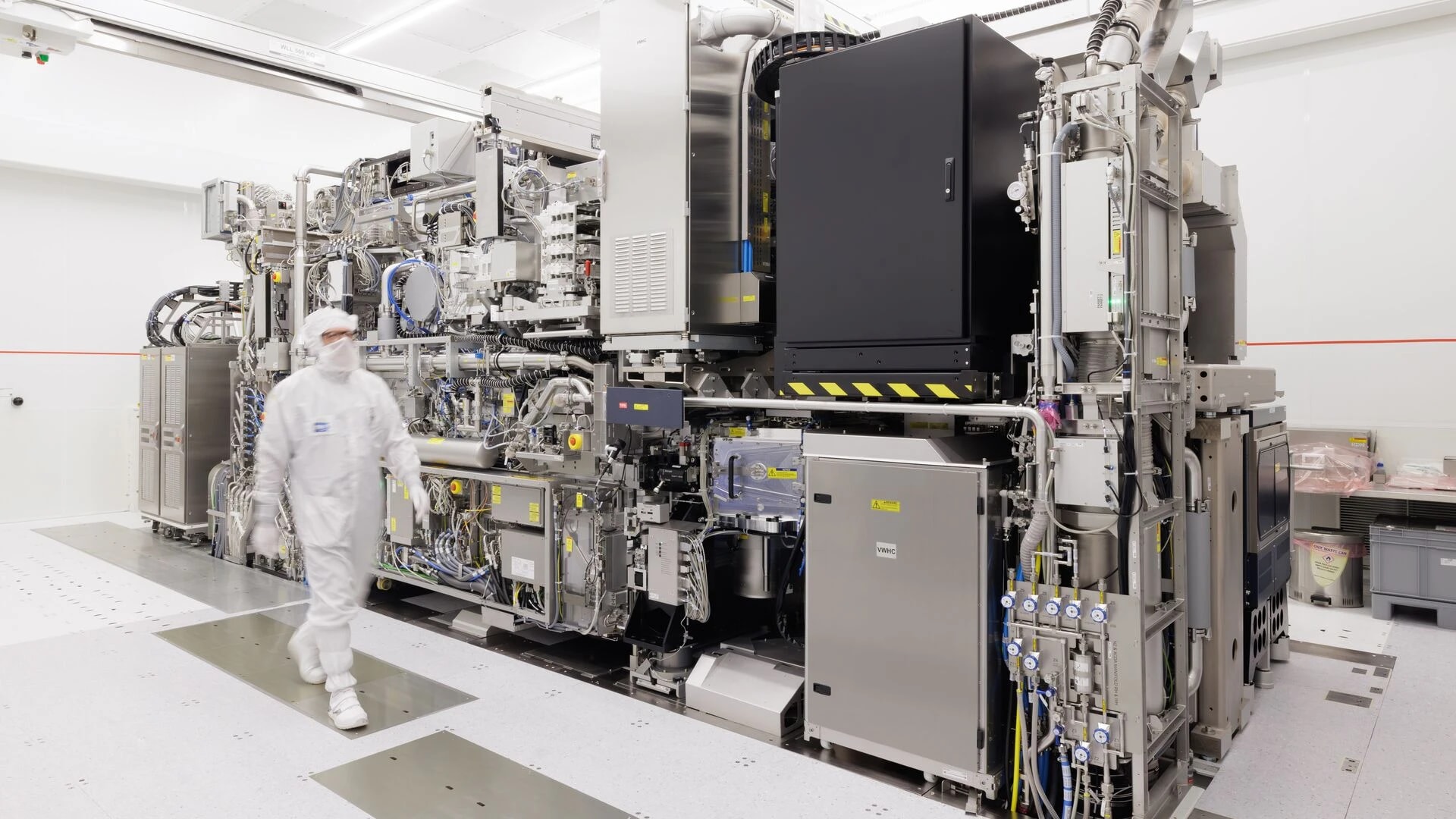
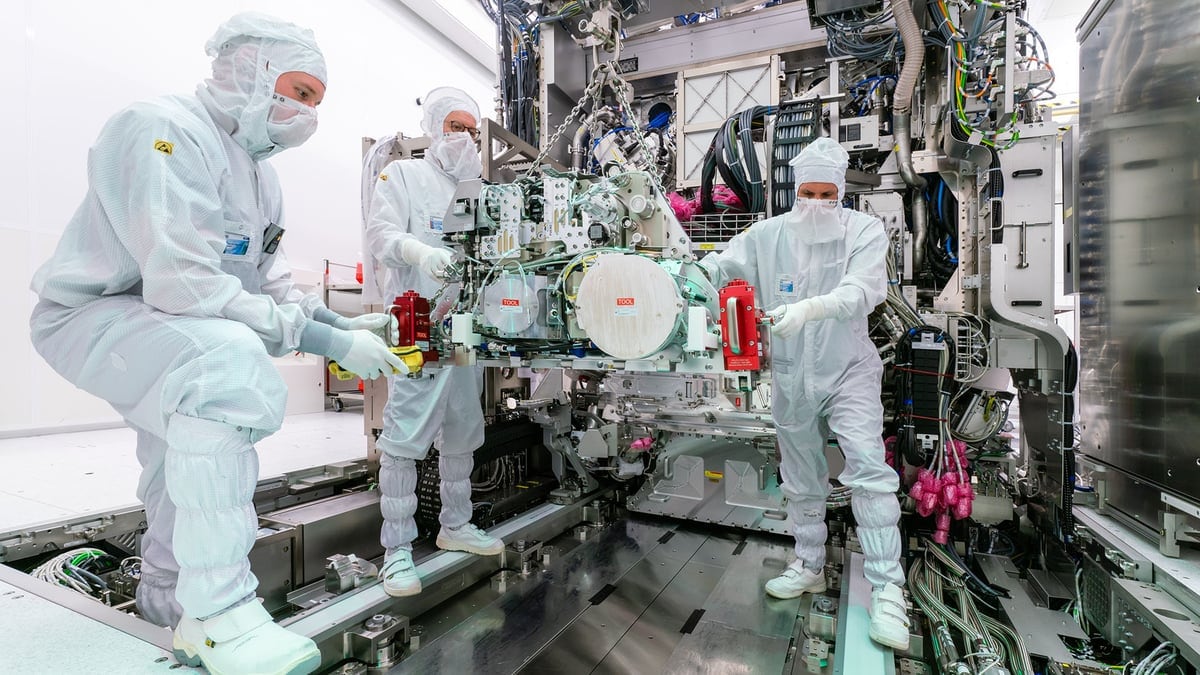
Extreme Ultraviolet (EUV) machines represent the most advanced technology used today to build modern computer chips. They use a specialized beam of light to print incredibly tiny circuits onto silicon wafers.
China’s CXMT has managed to break the monopoly of the big three, currently holding an ~8% market share (up from ~3%).
CXMT is building massive factories to expand its capacity. However, US export restrictions have hindered their growth, forcing the company to rely on older technology. This results in larger die sizes and increased production costs.
Please Note: Due to limitations in accessing EUV technology, CXMT cannot currently target advanced HBM chips. However, it continues to mass-produce consumer and server-grade DDR chips using Deep Ultraviolet (DUV) lithography.
Global Monopoly
The Dutch chip equipment manufacturer, ASML, is the only company in the world that produces these EUV machines, holding a strict 100% monopoly on the technology.
Note: Despite recent rumors, ASML has explicitly stated that they have never shipped an EUV lithography machine to China due to strict international export controls.
Lithiography: Technical Complexities
Lithography is very similar to photography, as it uses light to transfer images onto a substrate. In photography, the substrate is either film or a digital sensor. In chipmaking, the substrate is a silicon wafer.
Competition?
Japanese manufacturers Canon and Nikon used to be industry giants in producing older DUV equipment. However, they opted not to pursue cutting-edge EUV technology due to the prohibitive costs and immense technical complexities involved.
EUVL process
Because EUV light is absorbed by both glass and air, traditional lenses cannot be used to focus the light. Instead, the process relies on mirrors housed entirely in a vacuum.
Here is a brief summary of the process:
- A high-power laser is directed at falling tin droplets to vaporize them and create a plasma.
- This plasma radiates invisible Extreme Ultraviolet (EUV) light at exactly 13.5 nanometers.
- A large, curved collector mirror gathers this light inside a deep vacuum chamber and directs it toward a mask.
- The mask is a highly specialized, multi-layered mirror containing the patterned blueprint of the computer chip.
- The light reflects off this mask and travels through a series of ultra-precise curved mirrors (typically 4 to 6). These reduce the image size and perfectly focus the pattern onto a silicon wafer.
Alternative?
There have been recent reports (though difficult to verify) suggesting that China is attempting to build its own alternative to the EUV machine. Only time will tell if they are close to a breakthrough.