History of AI: The Origins
Discover the history and origins of Artificial Intelligence

Artificial Intelligence (AI) has captured our imagination like no other piece of technology in years, and rightly so. Its impact on our day-to-day lives is everywhere, from writing and drafting emails, to answering our questions, helping us prepare for interviews, conducting research, writing code, and generating content. What seemed almost impossible only a decade ago is now everyday reality thanks to rapid innovation in AI software.
I was reading an article on NDTV a few days ago while preparing for a talk at an AI Summit and while it has been true for sometime now, it still amazes me what this technology is enabling us to do at a fraction of a cost, with little to no trained human resource involvement. Gunjan Soni, YouTube India Head, in this interview speaks about the critical role AI played in enabling monetization of almost 200 thousand new channels just in the last year.
For decades, high-quality content creation was a highly expensive affair. That changed with the emergence and rapid adoption of super-powerful AI tools over the last few years. Today, instead of buying expensive studio-grade hardware and software licenses, creators can use inexpensive AI subscriptions to generate engaging content, complete with graphics, animation, and overlays that rival almost any studio grade output.
In fact, there are many AI content generation companies that have emerged over the last 12-24 months producing breathtaking content, especially Chinese models like Seedance, Wan 3.0, Kling V3, and Minimax H3.
This massive shift led me on a path of discovery to understand where it all began. I want to take you along on this journey into learning AI, starting right at its roots. Let’s start with The Origin Story.
The Origins
I am highlighting a few key contributions in the automation and robotics fields that served as precursors to the development of AI.
13th Century
Al-Jazari (1136-1206)
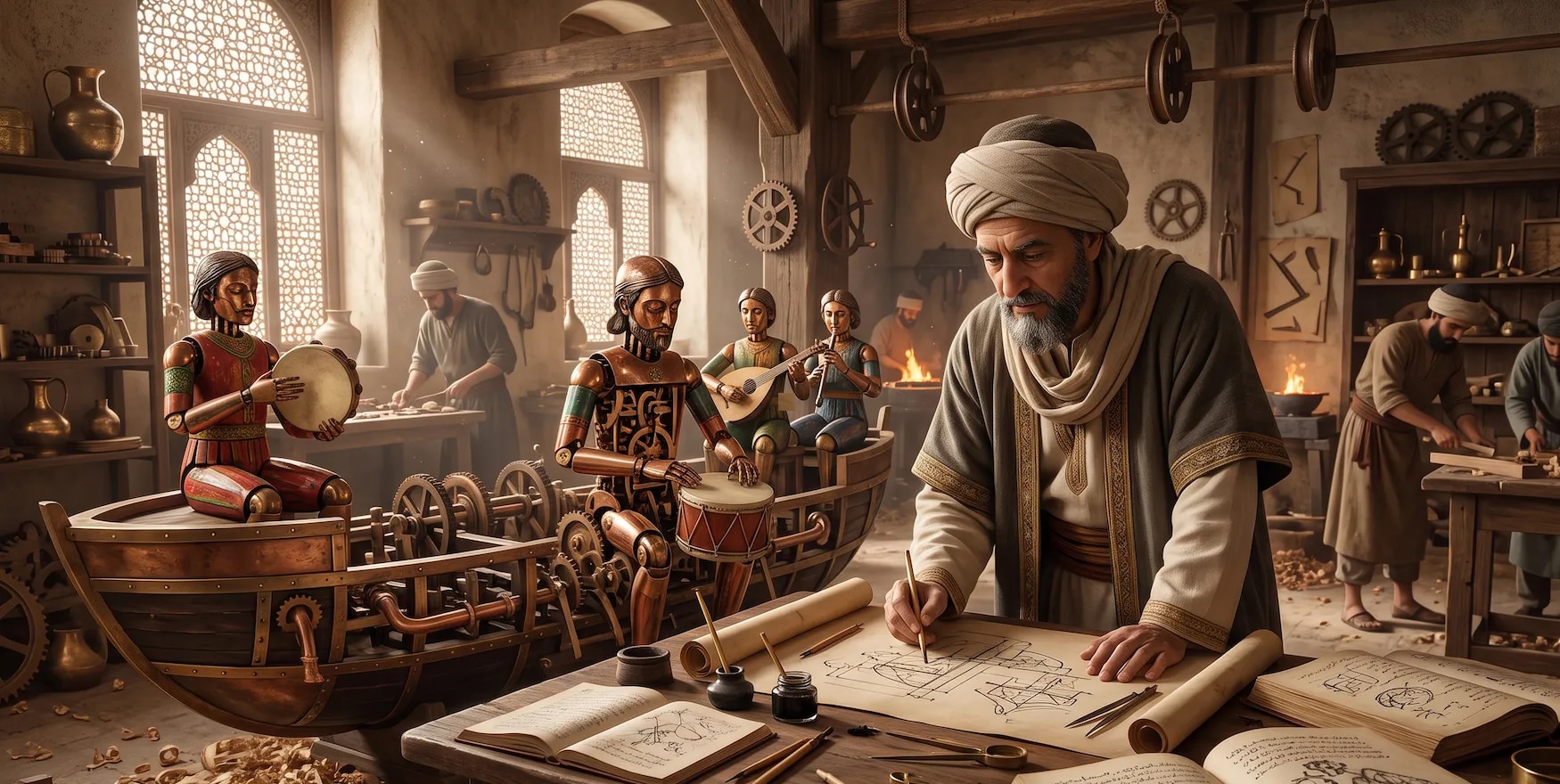 Al-Jazari reimagined with AI
When we trace back the roots of modern automation, we begin with Ismail Al-Jazari, a prominent polymath, scholar, and inventor. Fondly known as the father of robotics and modern engineering, Al-Jazari made groundbreaking innovations in the field of automation, including his famous musical robot band (The Automata).
He created a boat with four automated musicians that would float on a lake to entertain guests at royal parties. His use of hydraulic switching has been widely credited as an incredibly innovative approach to mechanical operation.
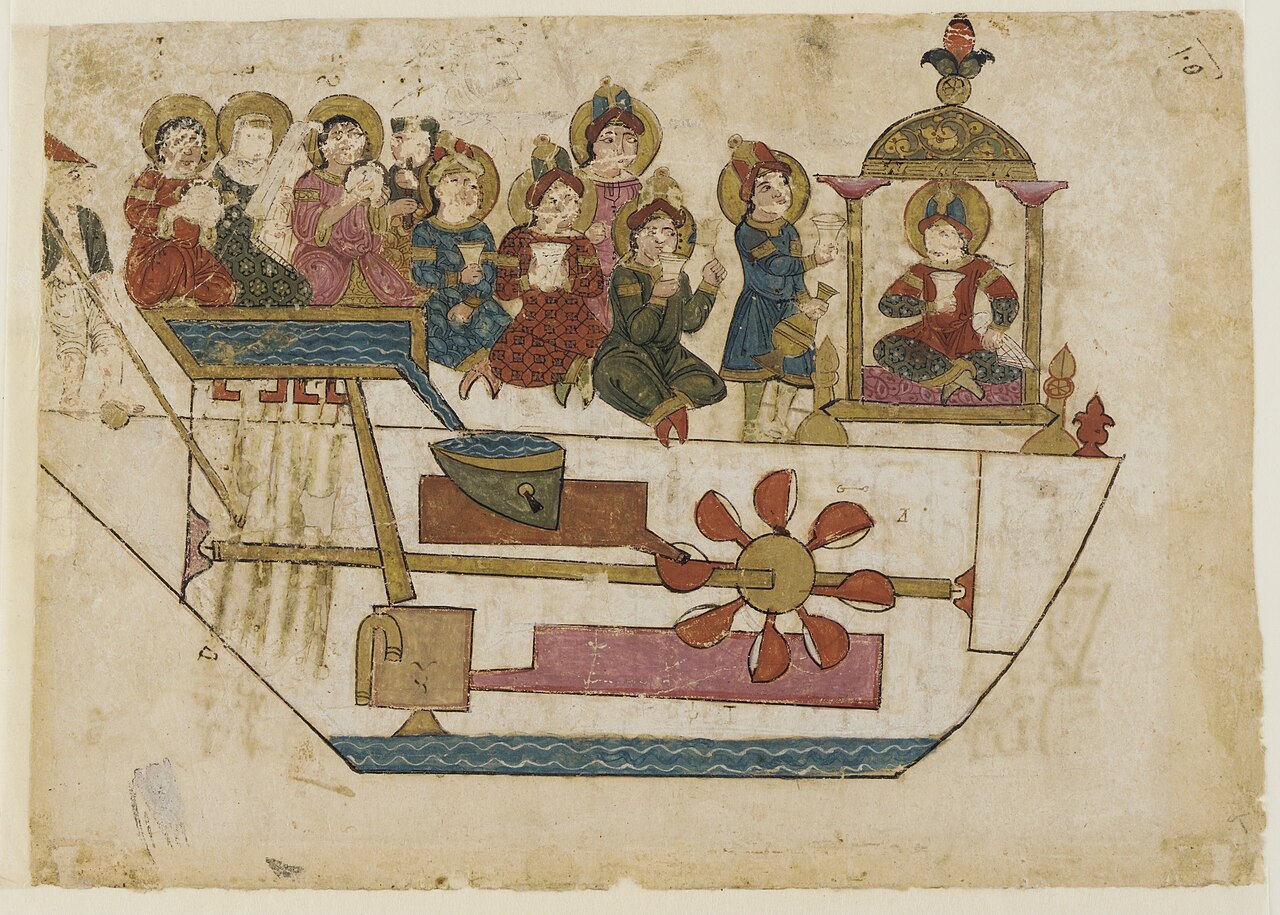 Pic Source: Wikipedia
17th/18th Century
Gottfried Wilhelm Leibniz (1646-1716)
Fast forward a few centuries, and we meet Gottfried Wilhelm Leibniz, a German polymath and the founding father of the binary system that powers all our computers today. He had a dream that would only be fully realized hundreds of years later.
Gottfried proposed the creation of “characteristica universalis” or “universal characteristic”.
It is obvious that if we could find characters or signs suited for expressing all our thoughts as clearly and as exactly as arithmetic expresses numbers or geometry expresses lines, we could do in all matters insofar as they are subject to reasoning all that we can do in arithmetic and geometry. For all investigations which depend on reasoning would be carried out by transposing these characters and by a species of calculus.
In his imagination was a symbolic language that would represent all human reasoning and knowledge using unique signs and symbols. He hoped to create a language that was usable within a calculus ratiocinator (computational technique).
This pairing of a conceptual language with computational calculation is astonishingly similar to how modern language processing models function today.
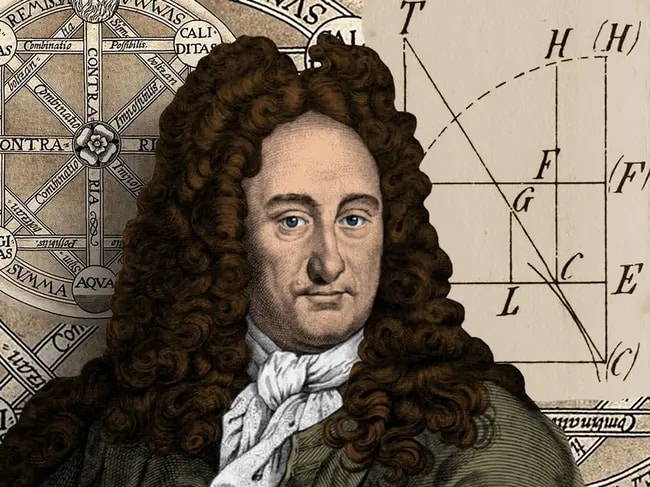 Pic Source: IEEE
Jonathan Swift (1667 – 1745)
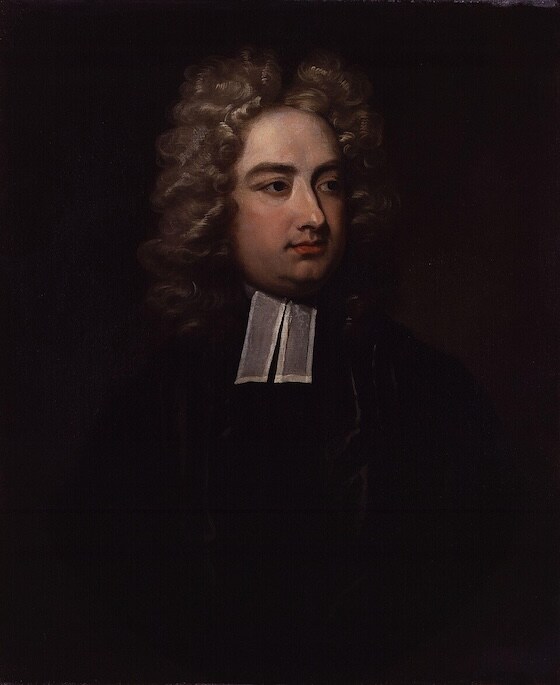
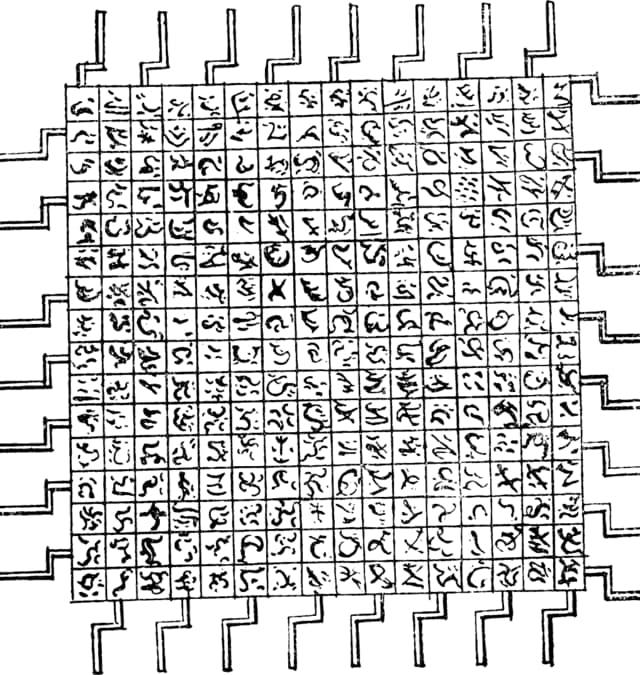
Around this same era, Jonathan Swift, an Irish writer, satirist, and cleric wrote about a fictional “Engine” in his masterpiece, Gulliver’s Travels.
The Engine was a fictional device designed for writing books. Below is an illustration of it from an early edition of the novel. Today, The Engine is widely regarded as one of the earliest literary references to a device resembling a modern AI system.
19th Century
Ada Lovelace (1815-1852)
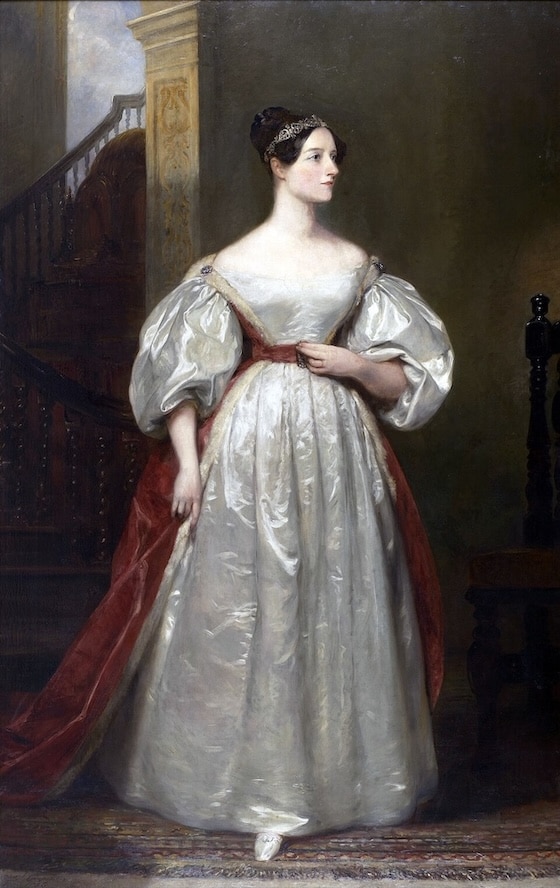
A portrait of Ada Lovelace
Another monumental leap forward arrived with Ada Lovelace, an English mathematician and writer who was deeply inspired by Charles Babbage’s Analytical Engine.
Her work, alongside Alan Turing’s later in the 20th century, is widely considered the conceptual foundation of modern AI systems. She was a true visionary who famously stated that computing machines could do far more than just calculate pre-defined numbers.
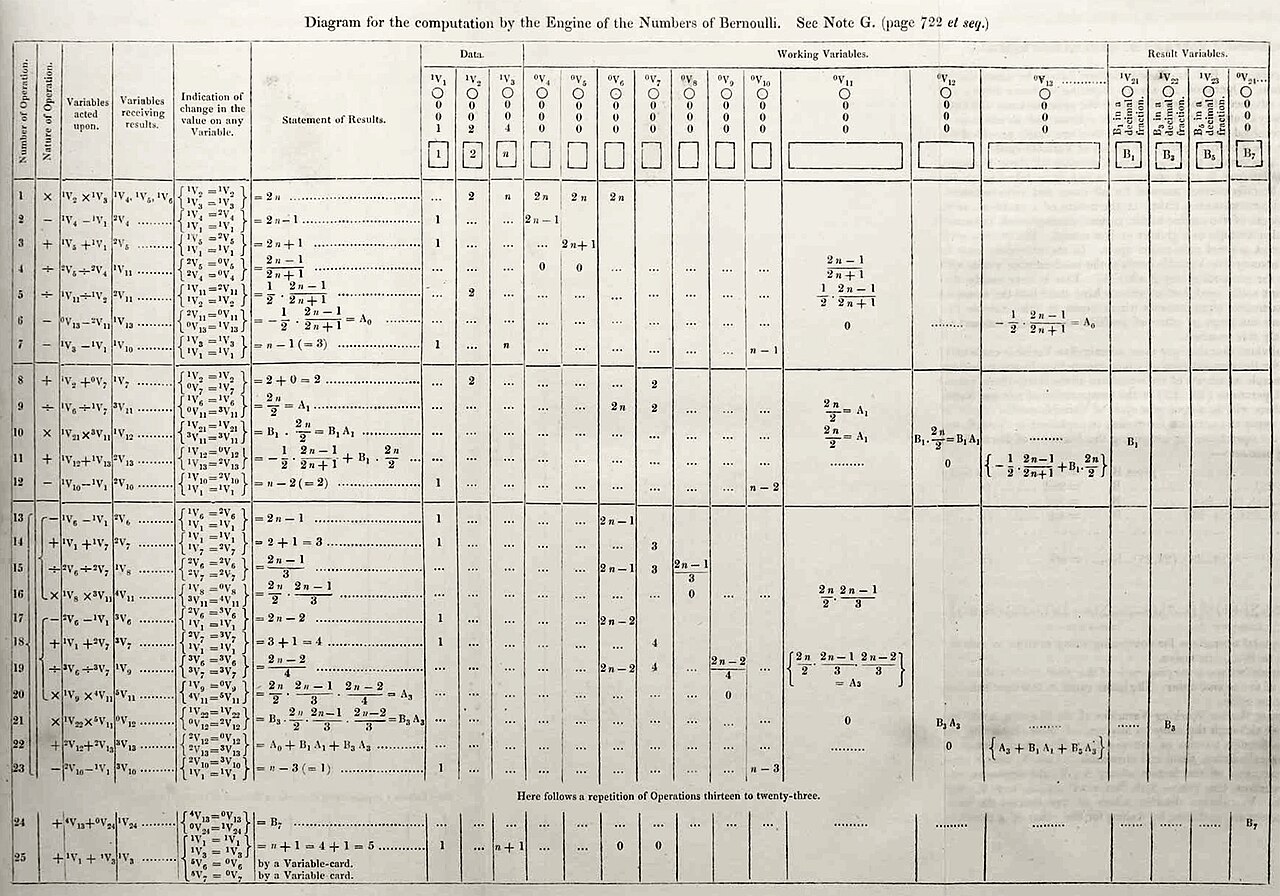
Lovelace’s Note G (a computer algorithm attributed to her, designed to calculate Bernoulli numbers based on the Analytical Engine) is often cited as the world’s first published computer program.
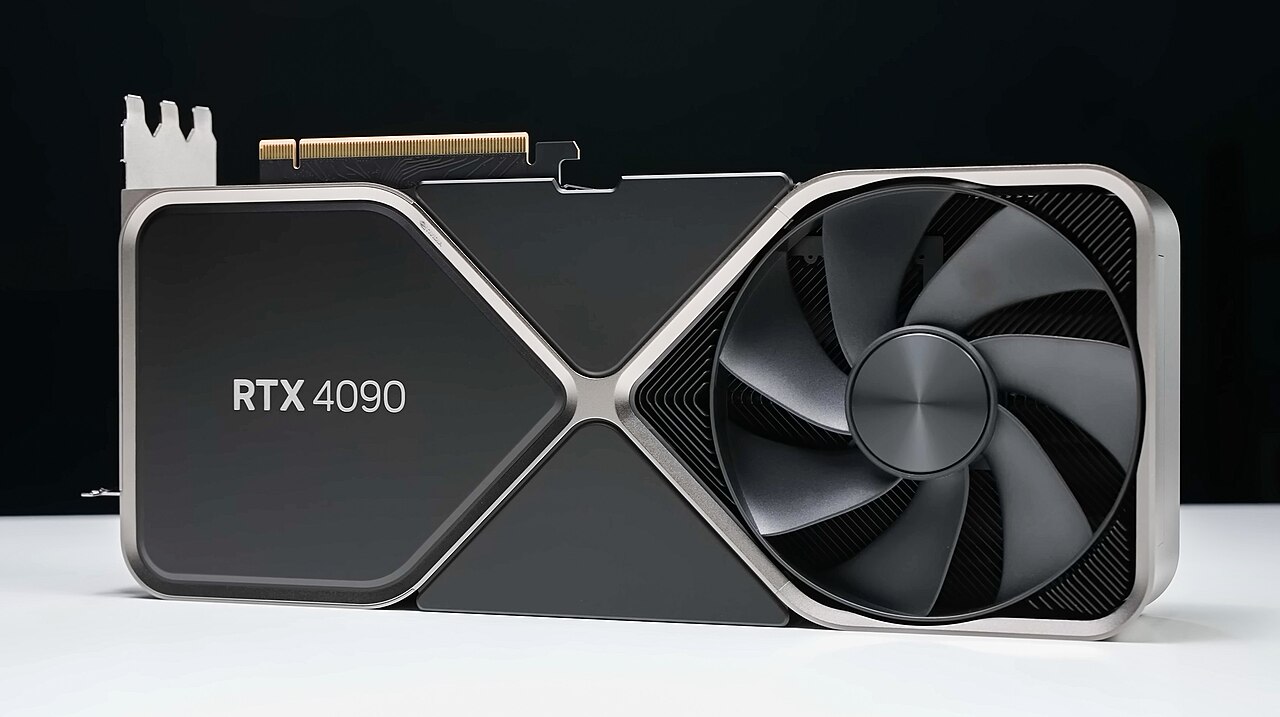
Ada Lovelace occupies such a legendary space in computer history that Nvidia went on to name their RTX 4000 series GPU architecture after her. It is also the first Nvidia architecture to use both a first and last name.
A snapshot below shows an Nvidia RTX 4090 GPU based on the Ada Lovelace architecture:
20th Century
Leonardo Torres Quevedo (1852-1936)

As we cross into the 20th century, we find Leonardo Torres Quevedo, a Spanish mathematician and engineer who pioneered the design of a chess playing device. Think of all the AI in modern video games, from chess to shooters to sports games. They all trace their roots back to this specific invention.
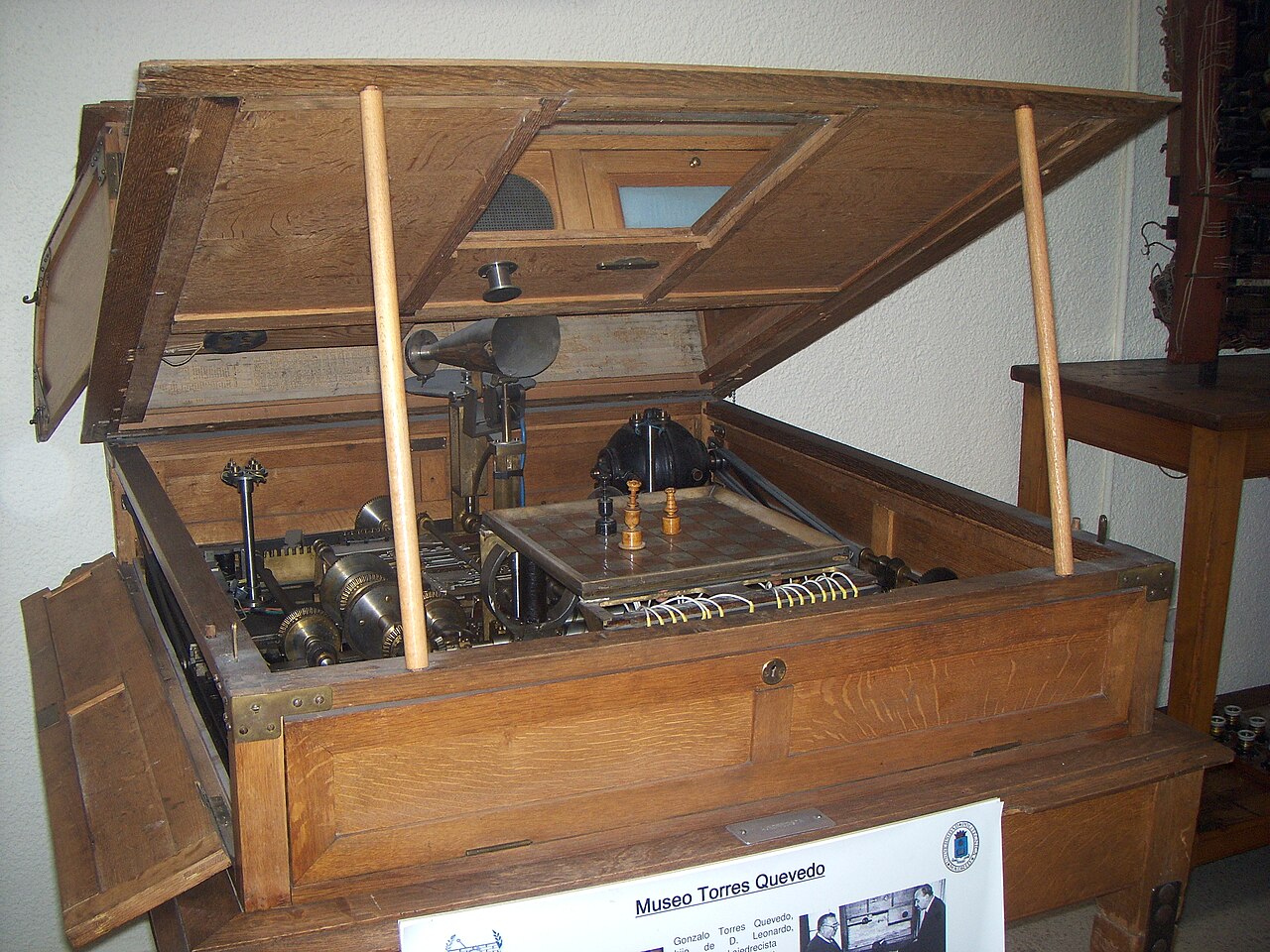
Dubbed El Ajedrecista (The Chess Player), this device was an electromechanical automaton that could autonomously play a king and rook endgame against a human. It was the first of its kind to operate entirely without human intervention. When a human moved the black king on the board, a metallic mesh at the base triggered an algorithm that calculated the next best move for the automaton (white). It could even detect illegal moves, light up a warning signal, and stop playing if the human cheated three times. It’s crazy how well this was architected for a device built in 1912 and exhibited in 1914.
The automaton (shown below) would consistently beat its human opponents. Even if it occasionally required several moves to secure a checkmate, it always delivered the intended result.
Alan Turing (1912-1954)
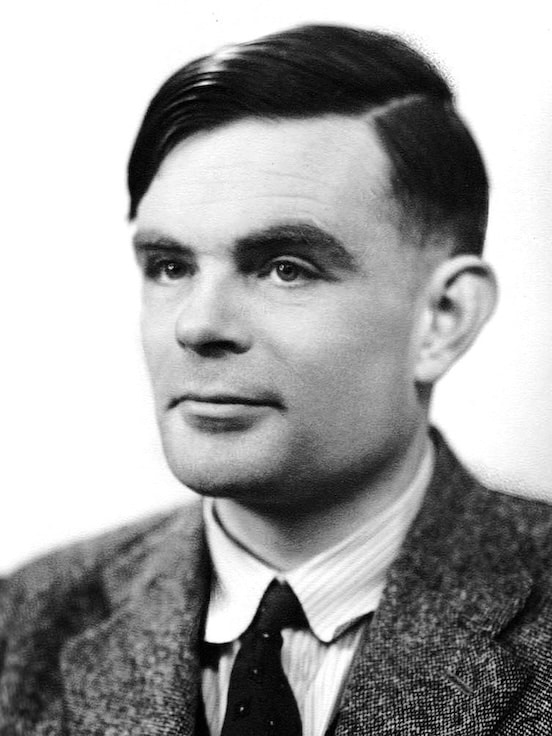
Artificial Intelligence (AI) in its definitive, modern form traces its roots back to the 1950s. Alan Turing, a British mathematician, wrote a paper that became the absolute foundation for AI as it emerged and evolved into its current state. It is entirely fair to recognize him, at least conceptually, as the founding father of Artificial Intelligence.
Sadly, Alan did not live long enough to see the incredible impact of his work on the evolution of AI. He took his own life just a few years after publishing his groundbreaking paper, “Can Machines Think?”.
Can Machines Think?
Turing published “Computing Machinery and Intelligence” a work that focused heavily on an imitation game. His core idea was to produce a machine or program that simulates a child’s brain when subjected to an appropriate course of education. This philosophy is the direct origin of modern machine learning. Instead of relying entirely on rigid, pre-programmed rules, Turing argued for training machines the same way you would train a child.
This paper also proposed a punishment and reward-based approach while programming the “child machine” ensuring rewards encourage repetition while punishments avoid recurrence.
Research Paper: Computing Machinery and Intelligence
The Imitation Game
The idea was that the imitation game would consist of three players:
- A Man (A)
- A Woman (B)
- An Interrogator (C)
The role of the interrogator is to determine which of the two is a man and which is the woman. To make it tough, the interrogator is kept apart in a separate room, and the answers to the questions are handwritten (or typed). The plan is for A to answer the questions in a manner that tricks C into a wrong identification.
Now, what if we replace A with a machine? Will the interrogator get it wrong as frequently as they would with a man and a woman involved? The game now shifts to identifying which entity is human and which is a machine, with both trying to convince the interrogator they are human. That is the imitation game.
Note: I skipped McCulloch and Pitts’ work which laid the foundation for the modern neural networks that form the backbone of deep learning as I intend to cover it in detail in a dedicated post of its own.
This brings us to the end of what has been a deeply fun history lesson for myself. I hope you enjoyed it too, and I hope this proves useful to some of you reading. Thanks for your time!